While most brands still shortlist YouTube creators by subscriber count, the data points the other way: the channels with the biggest audiences are often the worst investment. Engagement rates fall as follower counts rise, and a large share of follower bases show signs of being fake or inflated. The creator with two million subscribers and a silent comment section will usually cost more and convert less than the right niche channel with fifty thousand engaged viewers.
So the skill that matters in YouTube influencer marketing is not finding big channels. It is evaluating them: separating real, engaged, on-brand audiences from vanity numbers. This guide is the vetting framework, the metrics that matter, and the tools to check them.
Overview
- YouTube influencer marketing works because of trust and intent, not reach, so a channel’s engagement and audience fit matter more than its subscriber count.
- A large share of influencer audiences show fake-follower signals, which makes vetting the single most important step before you pay anyone.
- Smaller, niche creators usually deliver higher engagement and better return than mega-channels, when their audience matches yours.
🚀 Quick takeaway
Stop shortlisting by subscriber count. The number that predicts results is engagement from a real, relevant audience. Vet every candidate for authentic engagement and audience fit before the follower count ever enters the conversation.
Why YouTube influencer marketing works
Influencer marketing has grown into a market worth tens of billions, with Influencer Marketing Hub estimating it at roughly $32.55 billion for 2026 and reporting an average return of around $5.78 for every $1 spent. YouTube is central to it because the format builds trust: long-form video lets a creator demonstrate a product, explain it, and vouch for it in a way a single image cannot.
For eCommerce specifically, that trust converts. A viewer who watches a creator they follow use your product arrives at your store already half-sold, which is why a well-matched YouTube partnership often outperforms colder paid channels on return. The catch is the word “well-matched,” and that is entirely a question of how you evaluate the channel.
The follower-count trap
Subscriber count is the metric most brands lead with and the one that predicts results least well. Two things break it.
First, engagement falls as audiences grow. Nano and micro creators routinely post higher engagement rates than mega-influencers, because a smaller, self-selected audience actually watches, comments, and acts. Second, follower counts are gameable, and many are gamed. Industry studies estimate that a substantial share of influencer followers, by some 2026 analyses more than a third, show fake or inauthentic signals, and the problem is often worst in the larger tiers where buying followers is common.
Pay by subscriber count and you pay for both problems at once: lower engagement and a higher chance of inflated numbers. Pay by verified engagement from a real audience and you sidestep both.
🚀 Quick takeaway
A big channel is not a safe channel. Engagement falls as follower counts rise, and the larger tiers carry the most fake-follower risk. A vetted micro-creator with a real, on-topic audience is usually the lower-risk, higher-return choice.
How to evaluate a YouTube influencer
This is the core of YouTube influencer marketing. Run every candidate through the same checks before you discuss a fee.
- Engagement rate. Look at likes, comments, and views relative to subscribers, not raw view counts. A healthy channel shows comments and likes that scale with its views. As a rough read, a comments-to-views ratio and a views-to-subscribers ratio that hold steady across recent videos signal a real audience.
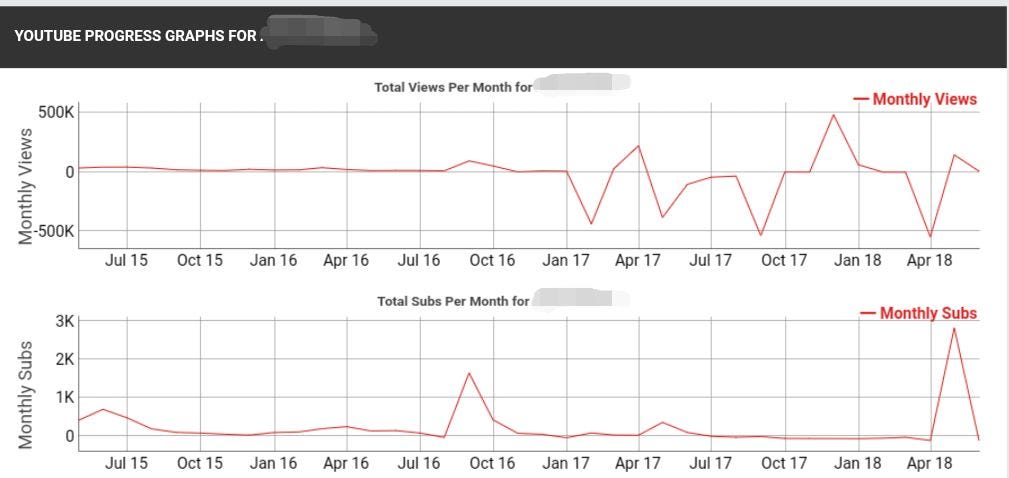
- Authenticity. Check for sudden, unexplained spikes in subscribers or views, comment sections full of generic or bot-like replies, and engagement that does not match the audience size. These are the fake-follower tells.
- Audience fit. A creator’s audience demographics, location, and interests have to match your customer. A large audience in the wrong country or age bracket is worth nothing to your store.
- Content quality and brand safety. Watch several recent videos in full. Does the production, tone, and past sponsorship history fit your brand? A single off-brand or unsafe video can outweigh good metrics.
- Past partnerships. Look at how previous sponsored videos performed and whether the creator discloses partnerships honestly. Disclosure is both a legal requirement and a trust signal.

🚀 Quick takeaway
Run every candidate through the same checklist before money is discussed: engagement, authenticity, audience fit, content and brand safety, and past partnerships. The fee conversation comes after a channel passes, not before.
Tools to vet a YouTube channel
You can do most of this with a few tools:
- The channel’s own YouTube analytics, if the creator will share them. This is the ground truth on audience demographics, watch time, and traffic sources.
- Third-party channel analytics tools such as Social Blade to see subscriber and view history and spot unnatural spikes.
- Influencer vetting platforms that score audience authenticity and flag suspected fake followers at scale, useful when you are comparing many candidates.
Use the tools to shortlist, then watch the videos yourself. No score replaces seeing how a creator actually talks to their audience.
Micro vs macro: which YouTube influencers convert?
For most eCommerce brands, micro and mid-tier creators are the better investment. They cost less, post higher engagement rates, and their audiences tend to trust their recommendations more because the relationship feels personal. Macro and celebrity creators buy reach and awareness, which suits a launch or a brand-building push but rarely wins on direct return.
The right answer depends on the goal. If you need broad awareness fast and have the budget, a macro creator can deliver it. If you need conversions and efficient spend, a shortlist of well-vetted micro-creators whose audience matches yours will almost always return more per dollar.
🚀 Quick takeaway
Match the tier to the goal. Macro creators buy awareness, micro creators buy conversions. For most eCommerce spend, a shortlist of well-vetted micro-creators returns more per dollar than one big name.
How much do YouTube influencers cost?
Pricing varies widely by audience size, niche, and deliverable, and most creators price per video rather than per view. As a general shape, nano and micro creators are accessible to most budgets, while macro and celebrity rates climb steeply. Rather than anchor on a creator’s rate card, judge cost against expected engaged views and conversions, the same way you would judge any conversion rate optimization spend. A higher fee for a smaller, highly engaged, on-brand audience often beats a lower cost-per-view on a channel that does not convert.
🚀 Quick takeaway
Judge influencer cost on engaged views and conversions, not on follower count or raw views. A creator who charges more but reaches a real, relevant, engaged audience is usually cheaper per actual customer than a bigger channel with inflated numbers.
How scandiweb approaches influencer marketing
scandiweb has delivered over 2,100 eCommerce projects since 2003, and we treat influencer marketing the way we treat every channel: as something to vet, measure, and optimize, not a spray of sponsorships. That means shortlisting creators on verified engagement and audience fit, tracking each partnership against real outcomes through proper eCommerce analytics, and reinvesting in what converts. Influencer marketing pairs naturally with social commerce, so the same creators often power both. The goal is partnerships that pay back, chosen on data rather than on follower counts.
Frequently asked questions
How do you evaluate a YouTube influencer?
Check engagement (likes and comments relative to views and subscribers, not raw views), audience authenticity (watch for unnatural spikes and bot-like comments), audience fit (demographics and interests matching your customer), content quality and brand safety, and the creator’s past sponsored-video performance and disclosure. Vet on these before discussing a fee.
What is a good engagement rate for a YouTube influencer?
Engagement varies by audience size, with smaller channels generally posting higher rates than large ones. Rather than a single benchmark, compare a candidate against creators of similar size and look for engagement that scales consistently with views across recent videos. Sudden drops or spikes are a warning sign.
Are micro-influencers better than macro-influencers?
For conversions and efficient spend, usually yes. Micro and mid-tier creators cost less, post higher engagement, and their audiences trust them more. Macro and celebrity creators are better for broad awareness and launches. Match the tier to the goal: reach versus return.
How do I spot fake followers on a channel?
Look for subscriber or view counts that jump suddenly without a viral video to explain them, comment sections full of generic or repetitive replies, and engagement that is far lower than the audience size would suggest. Third-party authenticity tools can score this at scale, but watching the channel yourself confirms it.
How much do YouTube influencers charge?
It varies widely by audience size, niche, and deliverable, and most price per video. Nano and micro creators are accessible to most budgets, while macro and celebrity rates climb steeply. Judge the cost against expected engaged views and conversions rather than against follower count.
Trying to decide which creators are actually worth paying? Plan an influencer campaign with us and we will help you vet channels on real engagement and audience fit, then measure every partnership against the outcomes that matter.