4.9
Business intelligence services for eCommerce
Dashboards that pull your store data and your ad-platform spend into one place, built and maintained by an analytics team specialized in eCommerce.
Trusted by 700+ leading brands worldwide


Trusted by 700+ leading brands worldwide
The team behind BI services
575+
eCommerce BI dashboards delivered
300+
Clients trust our analytics team
60+
Full-time analysts and data engineers
%20(1)-p-800.png)


Why weekly reporting is slow and still gets questioned
Dashboards fail for reasons that have nothing to do with the charts. The numbers come from systems that were never reconciled, and every new question means another manual export.

Numbers that disagree
Your store reports one revenue figure and the finance export reports another, so every meeting starts by arguing about which number to believe.
Dashboards nobody opens
A dashboard built around whatever was easiest to connect gets opened twice in its first week and then abandoned by the team it was meant to serve.
Every question is a project
When metric definitions are not modeled, answering a new question means an analyst rebuilding an export by hand, and the answer comes after the decision.
What a business intelligence project includes
We begin with the decisions your teams make each week, then work back to the data those decisions require.

Dashboard design
Views built around the decisions each team actually makes, in Looker Studio, Tableau, or Power BI; the numbers get read on screen.

Data warehouse and modeling
Because your metric definitions are modeled once in BigQuery, Snowflake, or Redshift, every dashboard counts revenue the same way.

Automated reporting
Scheduled reports delivered to email or Slack automatically, so no one on your team rebuilds the same numbers by hand each week.

Source connections
Store, ERP, POS, and ad-platform data connected into one model, including the offline sources that reporting usually excludes.

Training and handover
Sessions with your team on building and editing views, plus written documentation of the model, so changes stop needing a ticket.
Book a consultation with our analytics team
Why brands choose scandiweb for business intelligence consulting

An analytics practice since 2015
Our analytics team has run full-time since 2015, so reporting is not a side service delivered by developers between store builds.

60+ certified specialists
The team holds 60+ current GA4 and Adobe Analytics certifications, and Google and Adobe both recognize scandiweb as a certified analytics partner.

Certified on the platforms
Our analytics specialists keep current Google and Adobe certifications, renewed each time those platforms update them.

Backed by a 600-person agency
The analysts sit inside a 600-person eCommerce agency with 2,100+ projects behind it, so the team that builds your store and the team modeling its data are one company.

Only the best experts hired
The analysts on your account come through the same hiring filter as our engineers and developers, which only 0.4% of applicants pass.

Certified secure delivery
Your warehouse holds customer and order data, so delivery runs under ISO 27001 and 27017 certification and PCI DSS compliance, with GDPR and CCPA frameworks applied.
How a reporting project is delivered
The first stage produces a written list of the decisions your reporting has to support, and every later stage is measured against it.

Reporting requirements

We interview each team on the decisions they make weekly, then write down the metrics those decisions need and how each one is defined.

Data model and warehouse
Sources are connected into a warehouse and the metric definitions are modeled once, so every downstream view counts the same way.

Dashboard build
Views are built for each audience, including an executive summary and the operational detail a category manager needs daily.

Alerting and QA
Every figure is reconciled against the source system, and thresholds are set so anomalies surface before anyone reports on them.

Handover and training
Your team is trained to build and edit views, and the full model documentation is handed over as part of the build itself.
.png)
Projects from our analytics team
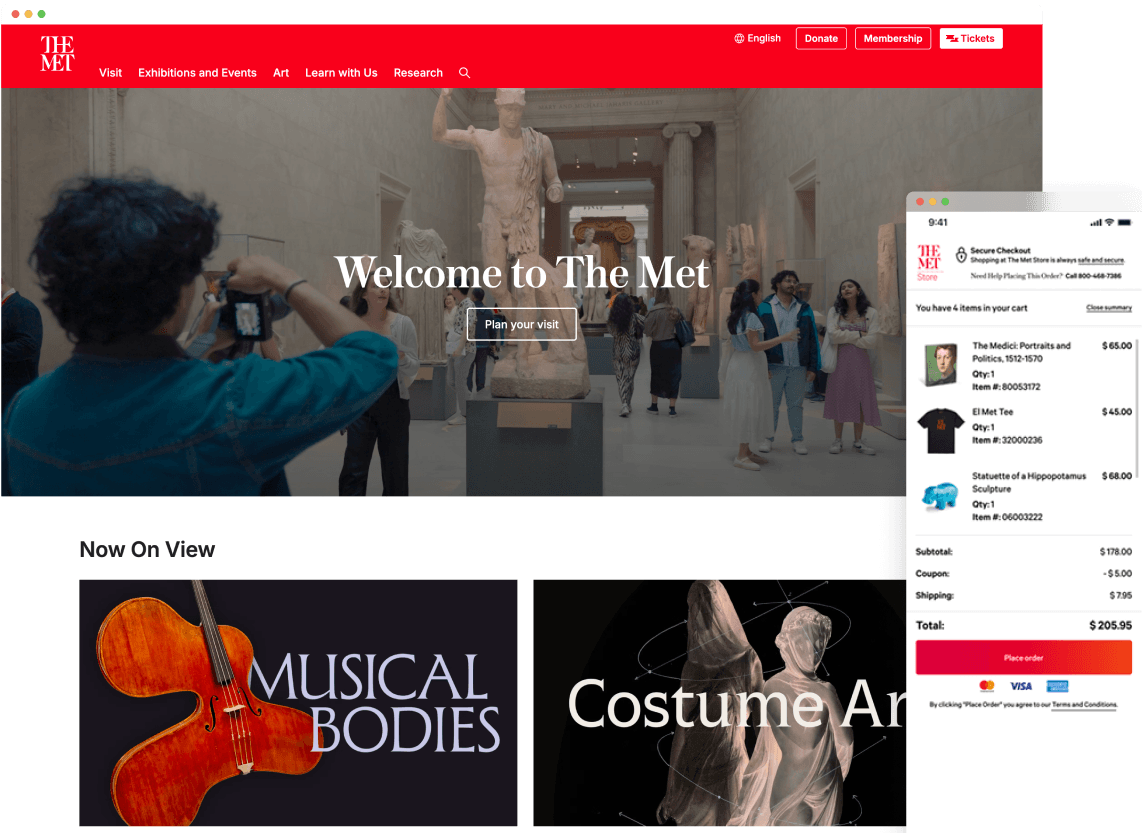

A full analytics revamp with one partner owning the whole stack
Accurate
Tracking of full user journeys
Unified
Data collection in one GA4 property
Informed
Decisions guided by BigQuery reporting
Learn more
.png)

GA4 rebuilt from scratch for a custom eCommerce platform
10 markets
Unified in one BigQuery warehouse
Seller KPIs
Tracked in real time
Product decisions
Guided by custom metrics
Learn more


Server-side tracking and a reporting layer for a global store network
Weekly
BI insights delivered with recommendations
Unified
Web and marketing KPIs
Connected
Warehouse and visualization layer
Learn more
What clients say about working with scandiweb

.webp)



.png)
Frequently asked questions about BI and reporting
What tools do you build dashboards in?
Looker Studio, Tableau, and Power BI are the three we deliver most often, and the choice follows what your team already has licensed. The warehouse underneath is usually BigQuery, Snowflake, or Redshift. We recommend against introducing a new tool when an existing one covers the requirement.
How long until the first dashboard is live?
Requirements and the data model usually take a few weeks, and a first working view often follows shortly after. Timelines scale with the number of source systems involved, which the first stage establishes before any build work starts.
Which data sources can you connect?
Store platforms, ERP, POS, and the major ad platforms, along with offline sources that usually sit outside reporting. Where event tracking is unreliable, that is corrected first by our data collection setup team as a separate stage.
How can I trust the numbers in a dashboard?
Every metric is reconciled against its source system during QA, and the definition of each one is written down and shared. Where two systems disagree we close the gap at source, so the same figure appears wherever it is used.
How much do business intelligence services cost?
Do you only build dashboards, or do you analyze the data too?
Both. The build gives your team the views, and our analysts can stay on to interpret what they show and recommend action. Ongoing analysis is scoped separately from the build, and plenty of clients take the build alone.

Talk to a reporting specialist
Send us the list of systems your numbers come out of today, plus what the team reports on each week. A specialist responds with a requirements review scope and its price.

Prefer to talk now? Book a call straight away, or email us at: [email protected]

Related services
Still assembling reports by hand? Book a BI consultation
A specialist walks through a live example and what it would take to build the same on your data.