4.9
BigCommerce services for every stage of your store
Work with one certified BigCommerce team that builds your storefront and stays on it after launch. In eCommerce since 2003, with 600+ specialists in house.
Trusted by 700+ leading brands worldwide


Trusted by 600+ leading brands worldwide
BigCommerce services matched to how you sell



.svg)
scandiweb is a certified BigCommerce agency covering storefront design and build, catalog work, integrations, SEO, and paid growth. BigCommerce handles hosting, patching, and PCI compliance for you, so the platform itself rarely decides whether a store performs. What decides it is the catalog structure underneath and how far the theme has drifted from something that still updates cleanly. Those are the parts we own, and the parts we audit before quoting anything.
Our BigCommerce specialists sit in the same offices as our SEO and analytics teams, so the people who build your store are the people who measure what it does afterwards. Nothing gets handed to a second vendor at launch.
Explore our BigCommerce services
Trusted by global brands

Why trust us with BigCommerce

Certified BigCommerce partner
scandiweb has been listed in the BigCommerce partner directory since 2022, which you can check yourself before briefing us. The certification covers the same team that would build your store.

ISO 27001 and PCI DSS certified
Our delivery process is audited against ISO 27001 and ISO 27017, and scandiweb is PCI DSS certified. That matters when your store handles card data and your buyers ask for security documentation.

One accountable Delivery Manager
Every project runs under a named Delivery Manager with 15+ years of experience who owns the timeline and the scope. You raise one question with one person rather than chasing four specialists.
Excellence backed by design awards







Results from the stores we build
Each result below was recorded on a live client store and compared against that store's own baseline before the project started.
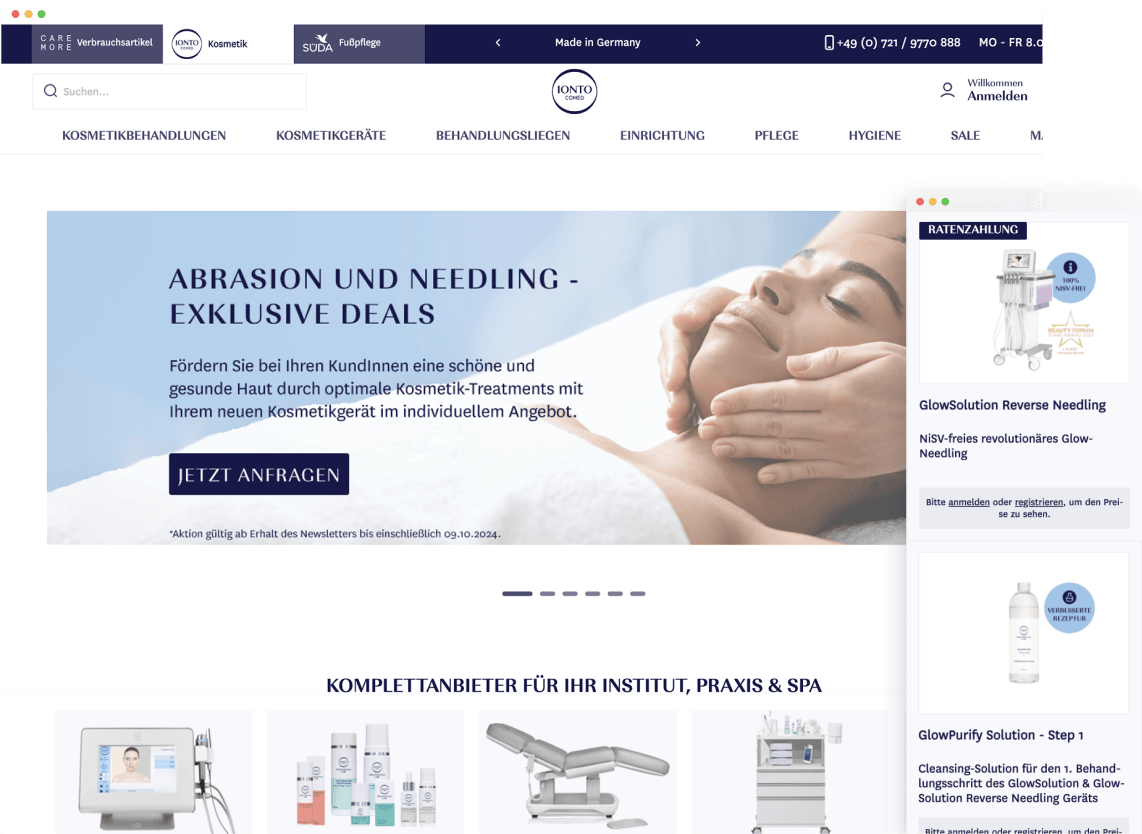

Adds to cart more than doubled after rebuilding a B2B storefront
+90.2%
Online revenue
+93.3%
Transactions
+44.9%
Conversion rate
Learn more
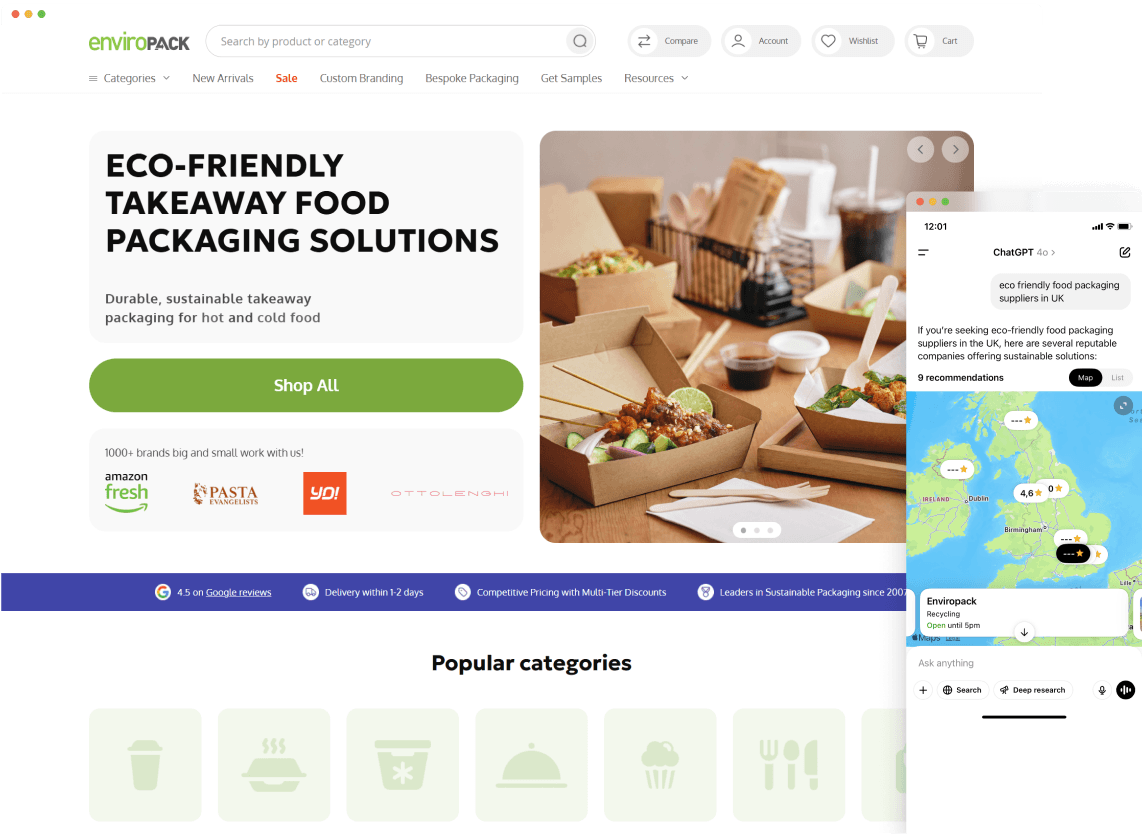

An eco-packaging supplier turned longer visits into larger orders
+22.3%
Average purchase revenue per user
+20.1%
Average session duration
+10.4%
Session conversion rate
Learn more
.png)
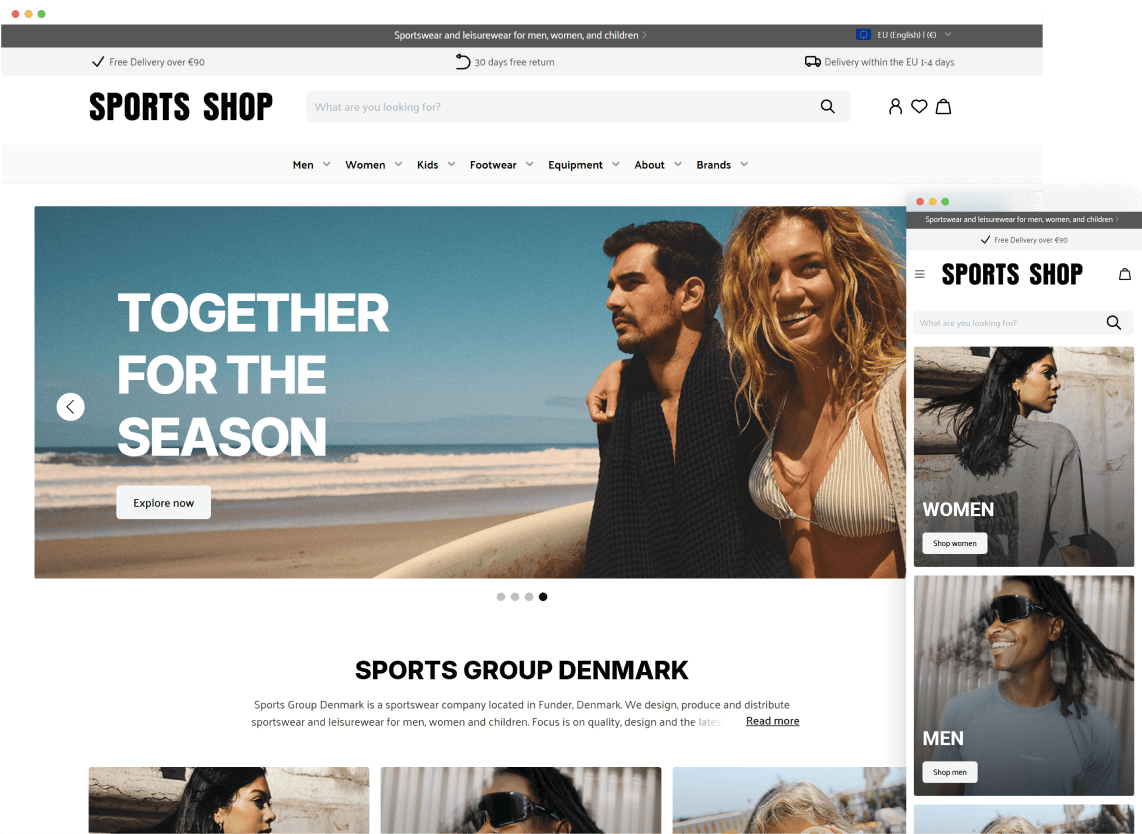
Twenty-five orders a day across a sportswear group's new D2C stores
10x
Revenue growth in 12 months
20+
Brands on one commerce framework
230+
Active customer accounts in 3 months
Learn more
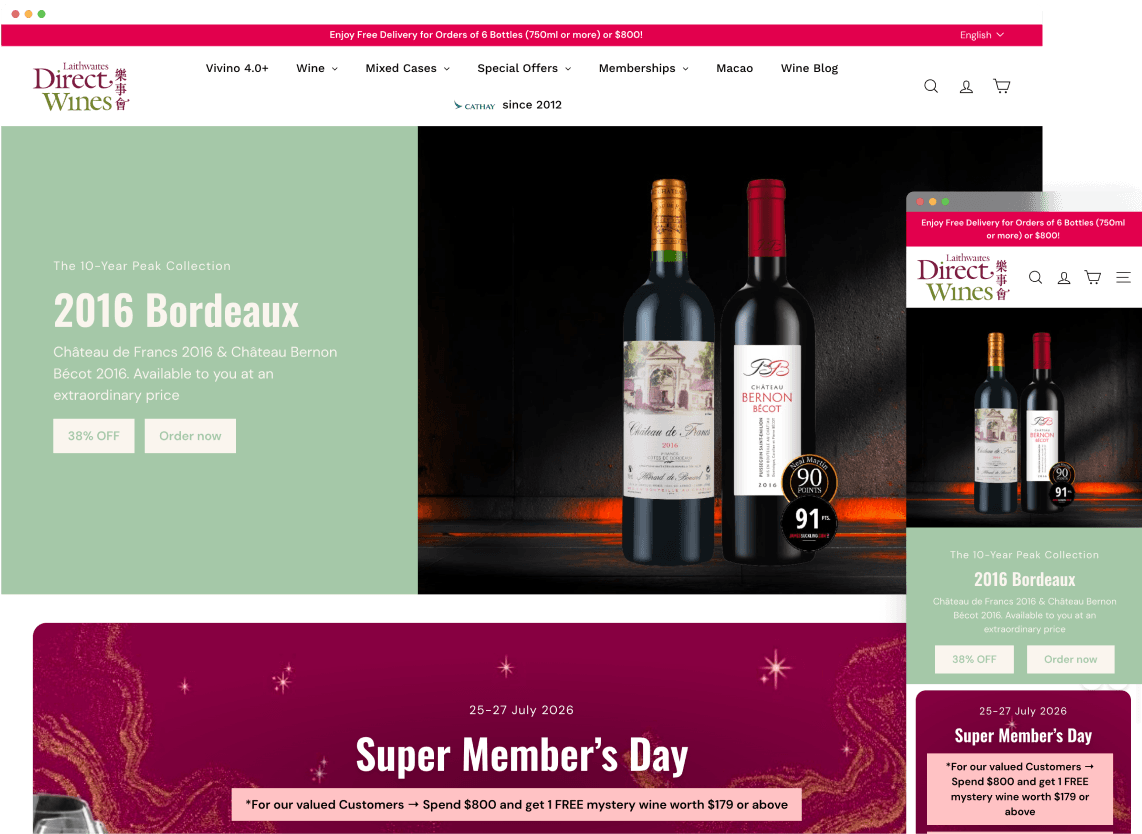

One landing page variant doubled purchases for a wine distributor
$4.2M
Additional revenue per year
70%
Winning test ratio
23+
Tests run across five sites
Learn more
The numbers behind the team
What our clients say

.webp)






.png)


Frequently asked questions about working with a BigCommerce agency
What does a BigCommerce agency do?

A BigCommerce agency builds and runs the parts of your store the platform does not cover on its own: storefront design and theme code, catalog structure, connections to your ERP and CRM, SEO, and the improvements that follow launch. The platform covers infrastructure and security certification on its own, so agency work concentrates on everything sitting above that layer.
What does working with a BigCommerce agency cost?
We quote only after reading your store, because averages are useless here. Catalog size sets part of the number and theme customization sets the rest, since a heavily modified Stencil theme costs more to carry through platform updates than a near-stock one. BigCommerce charges you for the license directly, and that sits outside what we invoice.
Can you work on a BigCommerce store we did not build?
Yes, and many of our BigCommerce projects start that way. The first step is an audit that reads your theme version, the custom code sitting outside the update path, and the state of your connectors. You get a written verdict on which parts are worth keeping and which are getting more expensive to hold, and that document is yours either way.
How long does a BigCommerce project take?
A storefront build on a customized theme typically runs two to four months. Migrations depend far more on catalog size and integration count than on the platform itself, so a 500-product store with one connector moves quickly while a 50,000-SKU catalog with ERP and PIM connections takes considerably longer. We give you a dated plan after the audit, not before it.
How do you choose a BigCommerce agency?
Check three things before the pitch. Confirm the agency is listed in the official BigCommerce partner directory rather than self-describing as certified. Ask which of their published case studies ran on BigCommerce specifically. Then ask who owns your timeline by name, because the difference between agencies usually shows up in accountability rather than in capability lists.
Which BigCommerce editions does scandiweb work with?
We work across the standard plans, BigCommerce Enterprise, and B2B Edition. Most of our larger clients are on Enterprise for the API limits and the customer-group controls, and B2B Edition where they sell to trade buyers as well as consumers. If you are unsure which edition your catalog and order volume justify, that question belongs in the audit rather than the sales call.
Does scandiweb build headless storefronts on BigCommerce?
Yes. BigCommerce exposes its catalog, cart, and checkout through APIs, so a headless front end is well supported. It earns its cost when you are serving several brands or markets from one catalog, or when your content team needs a CMS the platform does not provide. For a single storefront, a well-built Stencil theme usually performs as well for a good deal less money.
What happens after your BigCommerce store launches?
Your build team stays with the store. Ongoing work covers bug fixes, platform release testing, connector upkeep, and the incremental improvements that follow a launch, reported monthly against what actually changed. Most clients settle onto a monthly retainer sized to their roadmap rather than a fixed support package.

Ready to get more from BigCommerce?
New build, or an existing store that has stopped improving, we start by telling you which problem is worth solving first.