4.9
ADA compliance services for accessible online stores
We audit your storefront against WCAG 2.1 AA and fix what fails – with documentation you can show when a demand letter arrives or an enterprise buyer asks for proof.
Manual testing by a senior auditor, on your live store
Trusted by 700+ leading brands worldwide


Trusted by 700+ leading brands worldwide
What an inaccessible store costs you
US courts treat online stores as places of public accommodation, so an inaccessible storefront is a legal liability. And the shoppers it locks out take their orders somewhere that works.

Demand letters arrive without warning
Private stores face ADA Title III claims through the courts, where settlements reference WCAG. Most owners first learn what fails from a plaintiff's filing.
The deadlines are already set
The DOJ's Title II rule sets WCAG 2.1 AA deadlines of April 26, 2027 and 2028, and the European Accessibility Act already covers eCommerce sold into the EU.
Overlay widgets leave most failures live
Overlay scripts change none of your templates. The barriers behind most claims sit in code and content, and finding them takes human testing on your actual store.
The evidence behind our accessibility work
70+
eCommerce stores audited monthly
20+
UX/UI specialists in-house
NN/g
Nielsen Norman Group certified



.png)
Start with an ADA compliance audit
An ADA compliance audit measures your store against WCAG 2.1 Level AA, the standard courts and the Department of Justice use for web accessibility. Auditors test every template with a keyboard and a screen reader, then rank each failure by legal risk and by how many shoppers it blocks. You get a prioritized remediation plan with the cost of fixing attached.
ADA compliance testing is manual work: software alone cannot judge most WCAG criteria, so a person verifies each one and keeps the evidence.
We made Lamborghini's Magento store WCAG 2.0 AA compliant, building a keyboard flow that works across devices. The findings show exactly what separates your store from an ADA compliant website, including the alt-text and markup gaps that also affect organic search, which our eCommerce SEO services team covers in depth.
ADA website compliance services, end to end
ADA compliance services take your store to WCAG 2.1 AA conformance and leave you with proof: a documented record of what failed and how it was fixed, ready for a legal review.

WCAG 2.1 AA audit
Manual, template-level testing of your storefront, with every failure documented and tied to the success criterion it breaks.

Prioritized accessibility remediation
Fixes shipped in the order the audit sets, starting with the barriers most likely to trigger a claim, with checkout behavior preserved.

Assistive-technology testing
Screen-reader and keyboard-only passes on real buying journeys – the accessibility testing services that confirm each fix works.

Accessibility compliance monitoring
Scheduled re-checks after theme updates and content changes, so the conformance you paid for is still there next quarter.

Accessibility statement & documentation
A published statement plus an audit trail of what was tested and fixed – the record regulators and procurement teams ask to see.

Accessible-by-default design & build
New features and redesigns delivered accessible from the first sprint through our eCommerce web development services team.
Scope the work with one audit
WCAG, the ADA, Section 508, and the EAA

WCAG 2.1 and 2.2 AA
The testable criteria every legal standard points to. Courts reference 2.1 AA today. Version 2.2 raises the bar further, and we target it on new builds.

ADA Title II and Title III
Title II binds government websites to WCAG 2.1 AA on deadlines the DOJ has now set. Title III is the route private stores get sued under.

Section 508
The accessibility rule for US federal agencies and their suppliers. Selling to government buyers usually means showing Section 508 compliance.

European Accessibility Act
EU law extending accessibility duties to eCommerce sold into the EU. If EU customers can buy from your store, it applies to you.
.png)
eCommerce accessibility is its own problem
Accessibility failures concentrate where stores make money. Image-only product galleries and unlabeled size pickers fail shoppers on the product page, and faceted filter menus often trap keyboard users before they reach checkout. An eCommerce team works on storefront patterns like these every week.
Remediation also improves how the store sells. Clear labels and a working keyboard path make checkout easier for every shopper, and you can continue into our conversion rate optimization services with the same team once your templates pass.
How we get your store to WCAG 2.1 AA
An accessibility project goes wrong in two ways: fixes ship untested, or the order is wrong and budget goes to low-risk pages while the checkout stays broken. Our process prevents both.

Audit of every template

We test each of your store's templates by hand and with assistive technology, and document every failure with the evidence behind it.
A priced, risk-ranked plan
You see what fixing each barrier costs and which fixes come first – a plan you can hand to leadership before any build work starts.
Remediation across your storefront
Our developers correct the failures in your theme and content, including the ones your third-party extensions introduced along the way.
Assistive-technology verification
No fix is marked complete until it passes a fresh keyboard and screen-reader pass on the template where the failure was found.

Documentation and re-testing
The work closes with the full documentation record in your hands, plus re-tests booked to catch regressions as your store changes.
.png)
One audit shows exactly where your store stands
ADA compliance findings for every template of your store, in priority order – on record before anyone else finds them.

Storefront quality you can measure
Every number here was measured on a live store after our team shipped the work – the standard your remediation will be held to.
.svg)
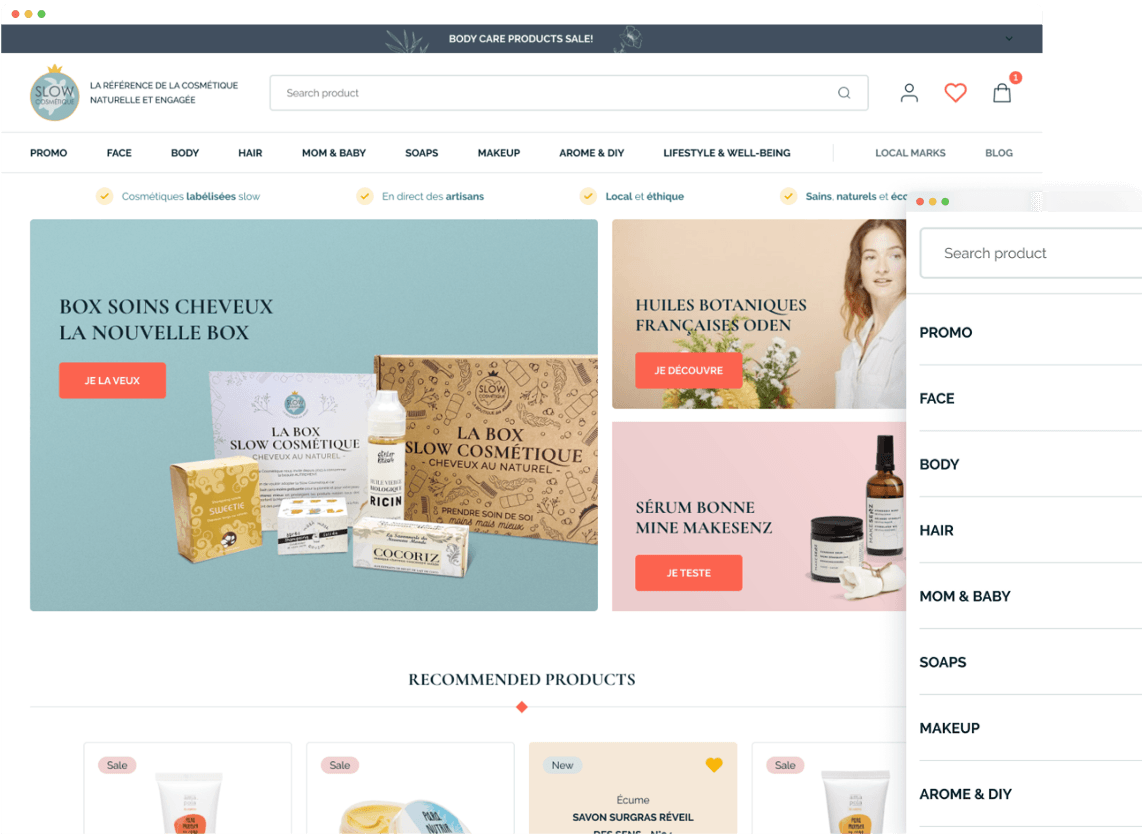
A sustainable-beauty marketplace of 300+ brands rebuilt for mobile shoppers
92.31%
increase in mobile conversion rates
3x
mobile conversion rate vs desktop
All-green
CWV for mobile and desktop
Learn more
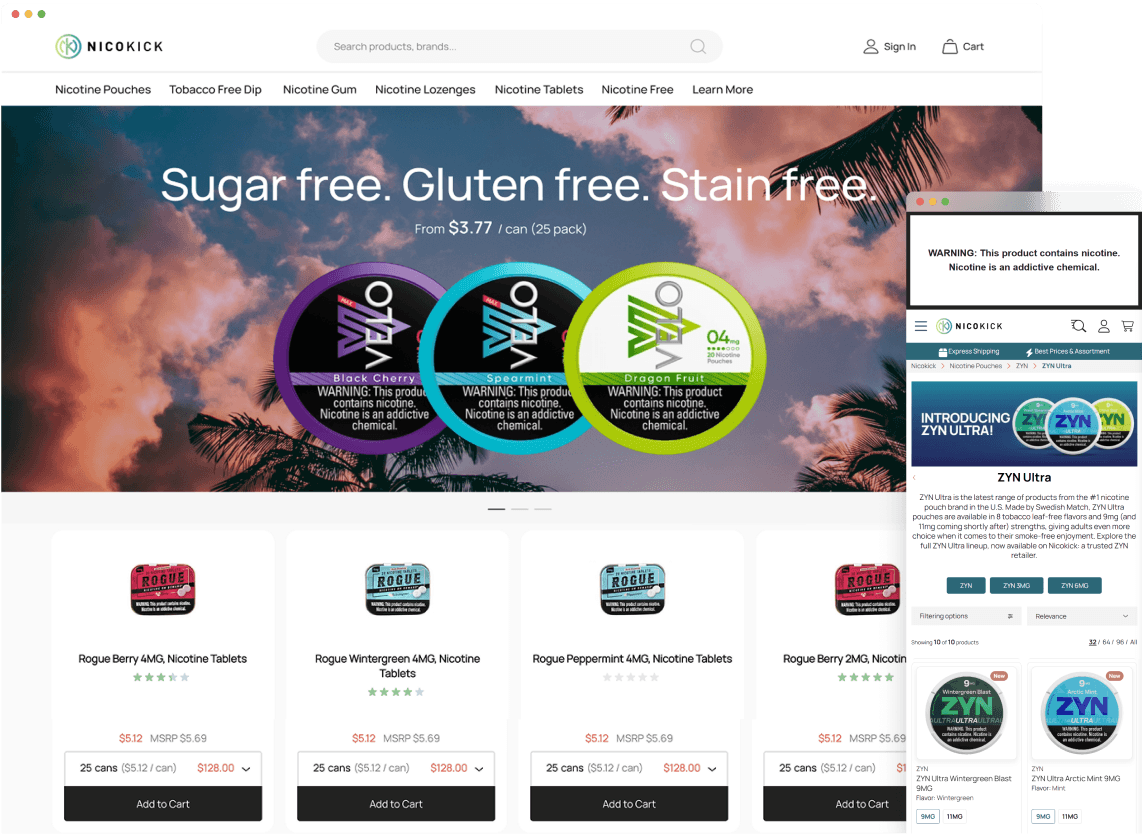

A full storefront rebuild delivered three weeks ahead of deadline
Up to 4,000%
CWV increase, desktop, first month
73%
of all pages with LCP <= 2.5s
96
Google PageSpeed score, +60 points
Learn more
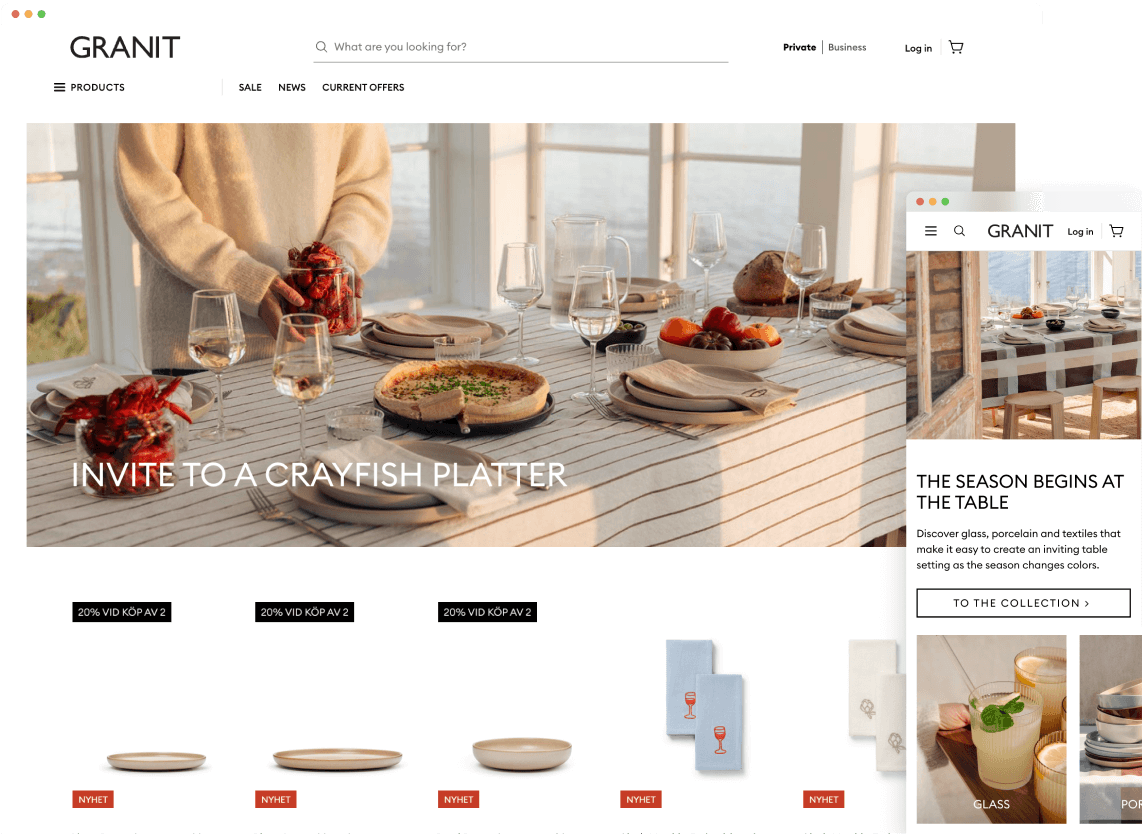

A storefront redesign with WCAG compliance built into every page template
-91%
mobile blocking time, CMS pages
72 → 99
Lighthouse score, CMS desktop
85 → 100
SEO score on four page types
Learn more

.svg)
A Magento storefront brought to WCAG 2.0 AA, with a keyboard flow built in
Every
WCAG shortcoming found and fixed
Unique
keyboard flow, built into the store
1
seamless experience across every device
Learn more
Why scandiweb for ADA compliance
This is user-experience work at its core: an accessible store is one where real shoppers on assistive setups can finish a purchase. Our ADA compliance consultants come from the design and research practice measured on exactly that.

300+ UX/UI projects delivered
Design work shipped across 25+ industries with usability as the brief every time – the same discipline your remediation project draws on.

Over 858 user tests completed
We watch real users finish tasks, with 21 full market research projects behind the method, so findings reflect observed behavior on real stores.

A benchmark database of UX evidence
100+ UX best practices from Baymard Institute, CXL, and our own database built from 2100+ eCommerce projects shape what we flag and how we fix it.

Design practice led by a senior designer
10+ years of CX work for brands including NYT, Läderach, MET, and Lafayette 148 – her practice reviews the design side of every accessibility project.

Award-winning design implementation
Best Design Implementation at Meet Magento NY 2023, 2024, and 2025, alongside Webby Awards and Mercedes Benz Design Award recognition for client work.

Legal audits inside delivery scope
GDPR and cookie-compliance legal audits already sit inside our delivery work, so regulated requirements get engineering-grade documentation.
What clients say about working with scandiweb

.webp)







.png)
Frequently asked questions about ADA compliance
What is ADA compliance?
ADA compliance means meeting the Americans with Disabilities Act's requirement that businesses open to the public are usable by people with disabilities. For websites, courts and the Department of Justice treat WCAG 2.1 Level AA as the technical benchmark. A store proves compliance with an accessibility audit and documented remediation, verified through testing with assistive technology such as screen readers.
How do you make a website ADA compliant?
Start with an audit against WCAG 2.1 Level AA to find every barrier, then remediate in order of risk: keyboard access, screen-reader labels, color contrast, forms, and media alternatives. Verify each fix with assistive technology and publish an accessibility statement. Re-test whenever the site changes. An overlay widget alone does not make a site compliant.
How do I check if my website is ADA compliant?
Automated checkers are a starting point, but they catch only part of WCAG's requirements – most success criteria depend on human judgment. A reliable check combines an automated scan with manual testing: keyboard-only navigation and screen-reader passes on your key templates. That is what an ADA compliance audit delivers, template by template.
What happens if my store gets an ADA demand letter?
Don't ignore it, and don't settle blindly. Get a factual picture first: an accessibility audit documents what actually fails and what fixing it takes. Most claims resolve through remediation commitments, and a documented, in-progress accessibility program is the strongest position to negotiate from. Fixing the store also protects you from the follow-on claims that often come after a first letter.
Is ADA compliance mandatory for websites?
For most US businesses, yes in practice. Courts have applied ADA Title III to commercial websites for years, and the DOJ's Title II rule makes WCAG 2.1 AA legally binding for state and local government sites, with deadlines of April 26, 2027 and April 26, 2028. Private stores face enforcement through lawsuits and demand letters – there is no codified web standard for them, and private plaintiffs file most claims.
Is my eCommerce platform ADA compliant out of the box?
No platform ships fully compliant. Magento, Shopify, and other major platforms provide reasonably accessible foundations, but compliance lives in your theme, third-party extensions, product content, and checkout customizations – the parts unique to your store. Two stores on the same platform can differ completely, so the storefront itself has to be audited.
What is the difference between the ADA, WCAG, Section 508, and the EAA?
The ADA is the US civil-rights law courts apply to commercial websites. WCAG is the technical standard used to judge them – currently version 2.1 Level AA in legal contexts. Section 508 applies WCAG to US federal agencies and their suppliers. The European Accessibility Act extends comparable requirements to eCommerce sold into the EU. One WCAG-conformant build satisfies the technical core of all four.

Request your store's accessibility audit
Share your store URL and what prompted the request. A web accessibility consultant reviews it and replies with what we would test and what the audit costs.

Prefer to talk now? Book a call straight away, or email us at: [email protected]


Related services
Every shopper deserves a checkout that works. Let's get yours there.
Get an ADA compliance audit of your store, and a plan you can put in front of legal counsel.