4.9
eCommerce checkout optimization services
We find the step where your buyers stop, and our engineers build the fix on the platform your store already uses. One team does the research and writes the code.

Guest checkout and shorter forms
Payment methods your buyers expect
A written fix plan with a fixed price
Trusted by 700+ leading brands worldwide


Trusted by 700+ leading brands worldwide
Results from our checkout optimization tests


%20(1).png)
What drives checkout abandonment in eCommerce
Baymard Institute puts the average documented cart abandonment rate at 70.22%, across 50 studies. Some of those shoppers were only browsing. The rest were ready to order and stopped in your checkout.

Costs that appear at the last step
Shipping and tax shown only at the payment step are the most common reason shoppers stop, because the full total appears after they have typed everything in.
Accounts required before payment
Forcing account creation adds a password and a confirmation email to a purchase the shopper has already chosen, at the exact moment they want it finished.
Forms that ask for too much
Every extra field is one more chance to mistype on a phone keyboard, and most checkouts still collect data nobody in the business uses.
What our eCommerce checkout optimization services cover
A checkout usually loses orders at several separate points, and each one costs a different amount. We start checkout page optimization by pricing every drop-off in orders per month, so the first release goes to the expensive ones.

Checkout funnel measurement
We add step-level event tracking to your checkout in GA4, so every stage reports its own completion rate, separately on desktop and on mobile.

Guest checkout and account rules
Shoppers buy without an account and register after the order is placed, using details they already entered, so nobody has to create a login to pay you.

Form and field reduction
We remove every field your team never uses, then match the mobile keyboard to each remaining field, so a phone number field opens a number pad.

Payment methods and wallets
Express wallets go at the top of the flow, and card entry stays open for everyone else. We initialize each payment provider at the step where it is used.

Shipping and cost transparency
Delivery options and the full total appear before the payment step, so the number a shopper sees at the end is the number they already agreed to pay.

Mobile checkout optimization
We build and test the phone checkout on real devices, because thumb reach and keyboard behavior decide whether a mobile order gets completed at all.
Find out which fixes your checkout needs first
How we deliver checkout process optimization
Most checkout projects start with a redesign and only find out afterwards whether it worked. We record the baseline first, so we can measure every release against a real set of numbers, and the fixes go out in the order of what they are worth.

Checkout funnel audit

We measure your live checkout in your analytics, then review the screen recordings from real purchase attempts to see what the numbers do not explain.

Friction ranked by lost orders
We put a number on each drop-off: how many orders it costs per month and what it takes to fix. You get that ranking as a written list, before anyone proposes a design.

A scoped plan you approve
We turn the ranking into a fixed scope with a price and a release order. You decide what goes into the first release and what waits, and we build nothing before you sign it off.

Build and release
Our engineers implement each approved fix and deploy it with a tested rollback, so shoppers can still place orders on the live store while a release is in progress.

Verified against the baseline
After release we compare each step against the numbers from the audit, so you can see which fix moved which step, and which findings go into the next release.
.png)
eCommerce checkout optimization, in client projects
Each case starts the same way: find the drop-off point in the client's own data, then design against it.


A museum store checkout audit that pinpointed every friction point
37%
of shoppers hit checkout friction
~20%
scrolled to cart at shipping step
10 of 10
wanted more payment methods
Learn more
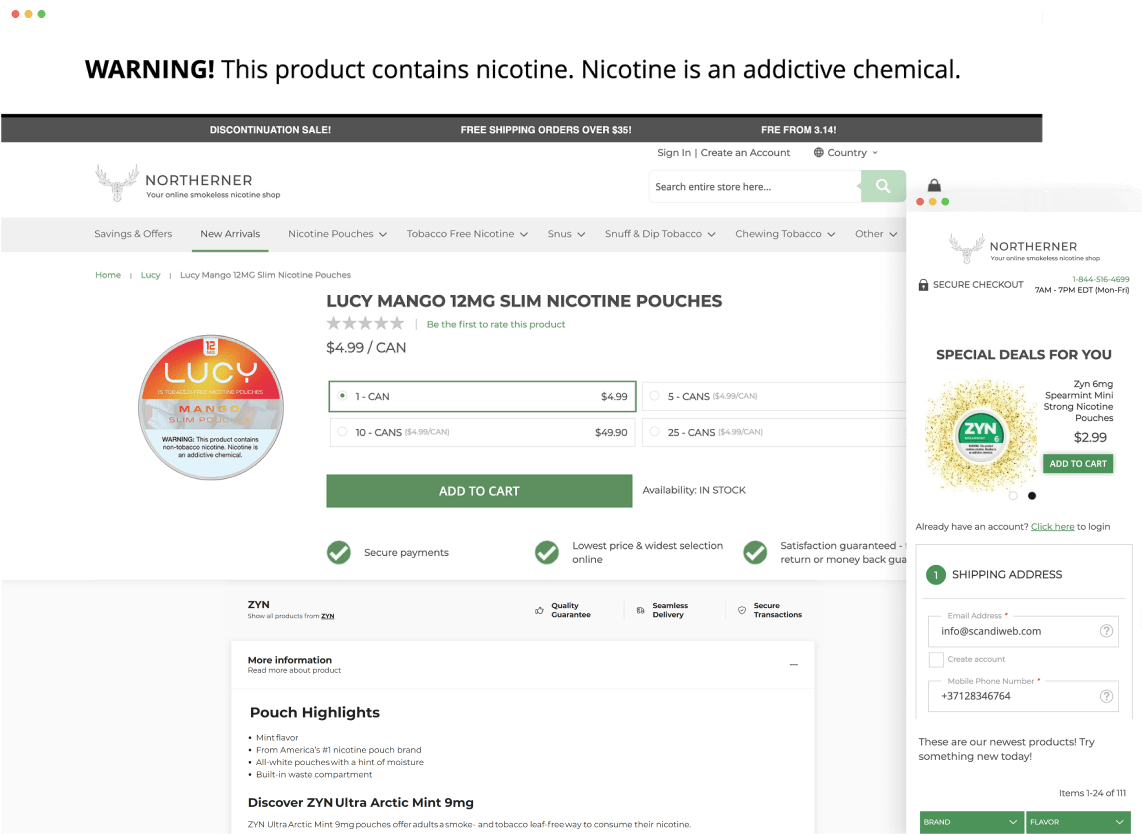

A multi-step checkout redesigned after 42% dropped at payment
77.45%
abandoned the checkout
22.55%
of sessions ended in an order
51%
abandoned at the shipping step
Learn more


A visibly faster cart and checkout after duplicate payment scripts were cut
2.09 s
delay on the checkout page
0.65 s
delay on the cart page
3 → 1
PayPal calls per page load
Learn more


Purchases up 58% for a Nordic home retailer after a checkout overhaul
+58%
purchases
+43.8%
transactions
+20.1%
checkout conversion rate
Learn more
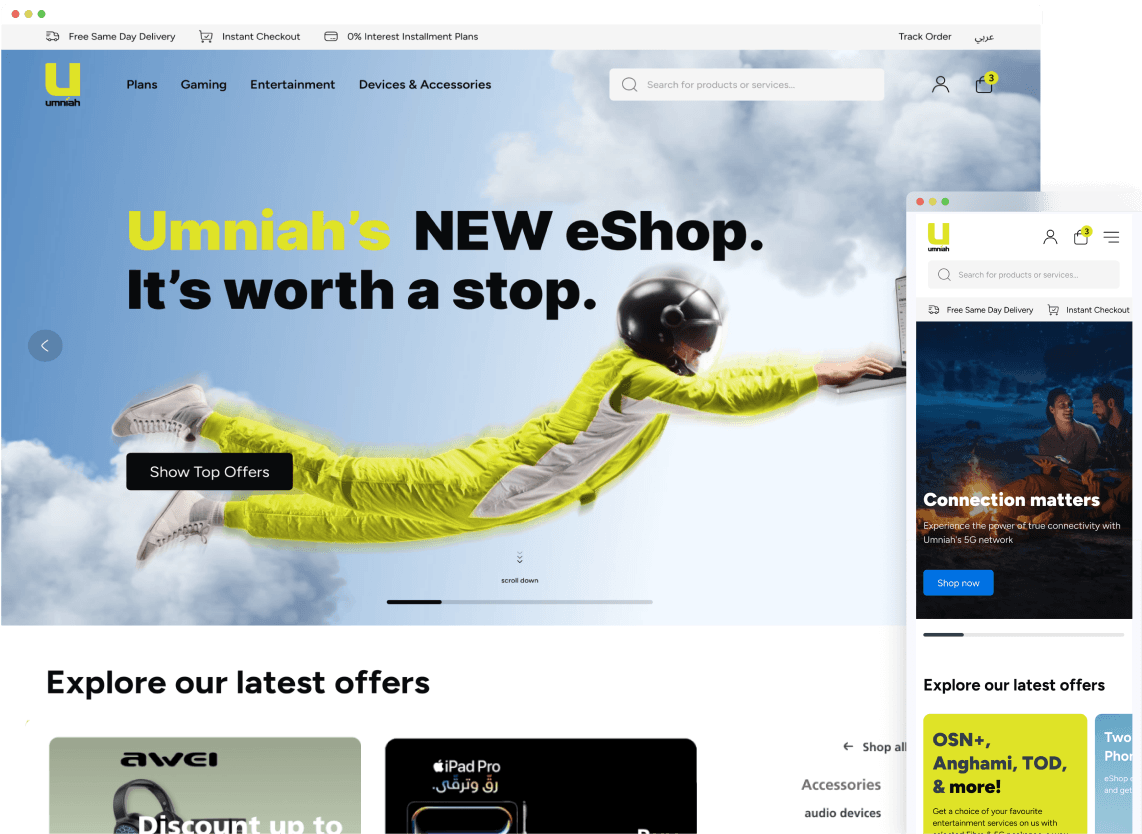

Customizable bundles that took a telecom store's cart-to-view rate up 86%
+86.0%
cart-to-view rate
+71.2%
purchase-to-view rate
+41.1%
items purchased
Learn more
Not sure why buyers stop at your checkout? Get a checkout audit
A checkout specialist works through your live flow on all devices, then walks your team through what they found.

Why brands bring their checkout to us

Research and engineering in one team
The specialists who find the friction also build the fix, so a ranked finding becomes a build ticket owned by the people who wrote it.

Certified in checkout research
Our researchers hold CXL and Baymard certifications, and we score your live checkout UX against the published usability research Baymard maintains.

One scoped project
This is one project with an end date. It closes when the agreed fixes are live and verified against the audit, and none of it becomes a retainer.

Conversion research since 2015
scandiweb opened its conversion research practice in 2015, and the researchers who measure your checkout have worked in that practice since.

Payment and shipping integrations
Checkout changes usually touch a payment provider or a shipping rate service, and our own engineers do that integration work inside the project.
Is a checkout audit right for you?
Two numbers decide this: how many sessions reach your checkout, and how many finish. Strong traffic into checkout with weak completion puts the fix inside the checkout.
If both are weak, a full-funnel testing program comes first, and storefront redesign work already booked should include the checkout rebuild.
Relevant if

Not relevant if

What clients say about the results

.webp)






.png)


Frequently asked questions about checkout optimization
What is checkout optimization?
Checkout optimization is the work of removing what stops a shopper who has already decided to buy. It covers the steps between the cart and the order confirmation: guest checkout, form length, payment options, delivery choices, error handling, and cost transparency. Checkout optimisation, the British spelling, describes the same work.
How do you find where your checkout loses customers?
We start with your own analytics, adding step-level events so each checkout stage reports a completion number. Then we watch recorded sessions of shoppers who abandoned, down to the fields they retype. Those two views give a per-step drop-off count, which we convert into orders lost per month. The steps that reduce cart abandonment most get built first.
Is there a benchmark checkout conversion rate to aim for?
There is no benchmark worth copying, because checkout completion moves with your category and your device mix. The number that matters is your own: what share of the sessions that reach your checkout end in an order today. We record that figure by device, so you leave the audit with something to report and something to beat.
Why is mobile checkout abandonment higher?
Because checkout asks for the most typing on the smallest screen. Card and address details take the longest to enter on a phone, and one validation error can reset fields the shopper already filled. The mobile fix starts with fewer fields and the right keyboard for each one. A store that is slow everywhere is a job for our store speed engineering team.
How much does checkout optimization cost?
It depends on how much of the checkout changes and which integrations the work touches. We price the audit as a fixed fee, then quote the fixes as a fixed scope once the findings are ranked, so you see each cost against the orders that fix is worth before you commit. A two-field change and a full flow rebuild are at opposite ends of that range.
Why do customers abandon at checkout?
Cost is the leading reason. Baymard Institute's research puts extra costs such as shipping and fees at 40% of abandonments, ahead of slow delivery at 20%, not trusting the site with card details at 19%, and a required account at 18%. Website errors account for another 17%.
Should we rebuild our checkout as one page?
That depends on your order value. One-page checkouts suit small, familiar purchases, and accordion or multi-step flows tend to hold up better for higher-value orders, because each completed step makes the next one more likely. We test the choice on your own traffic before rebuilding anything, and our guide to checkout types compared covers the trade-offs.
Does guest checkout improve conversion rates?
In most stores, yes. Baymard Institute ranks a required account among the five most common reasons shoppers abandon a checkout. The registrations are not lost either: an account created from the order confirmation page reuses the address and payment details already in the order, and returning customers keep their order history and saved cards.
How long does checkout optimization take?
The audit takes two to three weeks, including the session recordings and the ranked findings. A first release of fixes usually follows within four to six weeks of sign-off, depending on your platform and how many checkout steps the release changes. We stage larger rebuilds so the revenue-critical fixes are released first.
Why choose scandiweb for checkout optimization?
Because you get numbers before you get a redesign. The audit puts a monthly order value on every drop-off in your own checkout, so your team decides which fixes are worth funding before any design work starts. We then quote those fixes as one fixed scope with an end date, built by the same specialists who ran the research.

Get a free checkout audit of your store
Send your store URL and the platform it is built on. We come back with your checkout measured step by step and a written plan for the fixes.

Prefer to talk now? Book a call straight away, or email us at: [email protected]
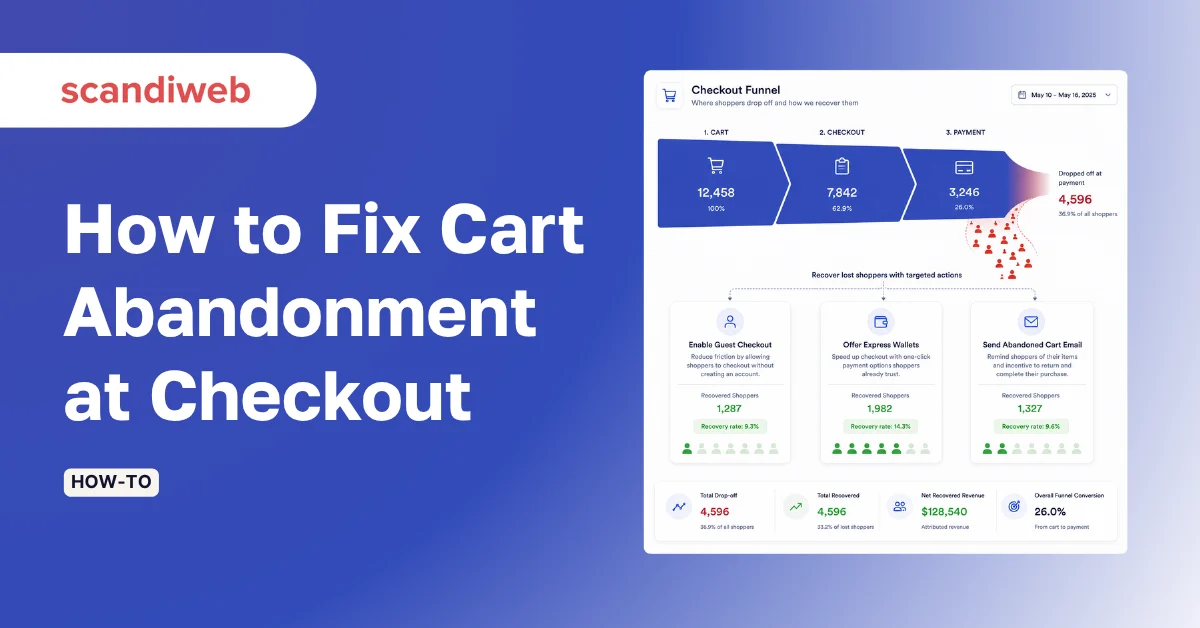



Related services
See which checkout step is costing you orders
You get a written document, and every recommendation in it names the checkout step it changes.